What is Spill COntainment on Land?
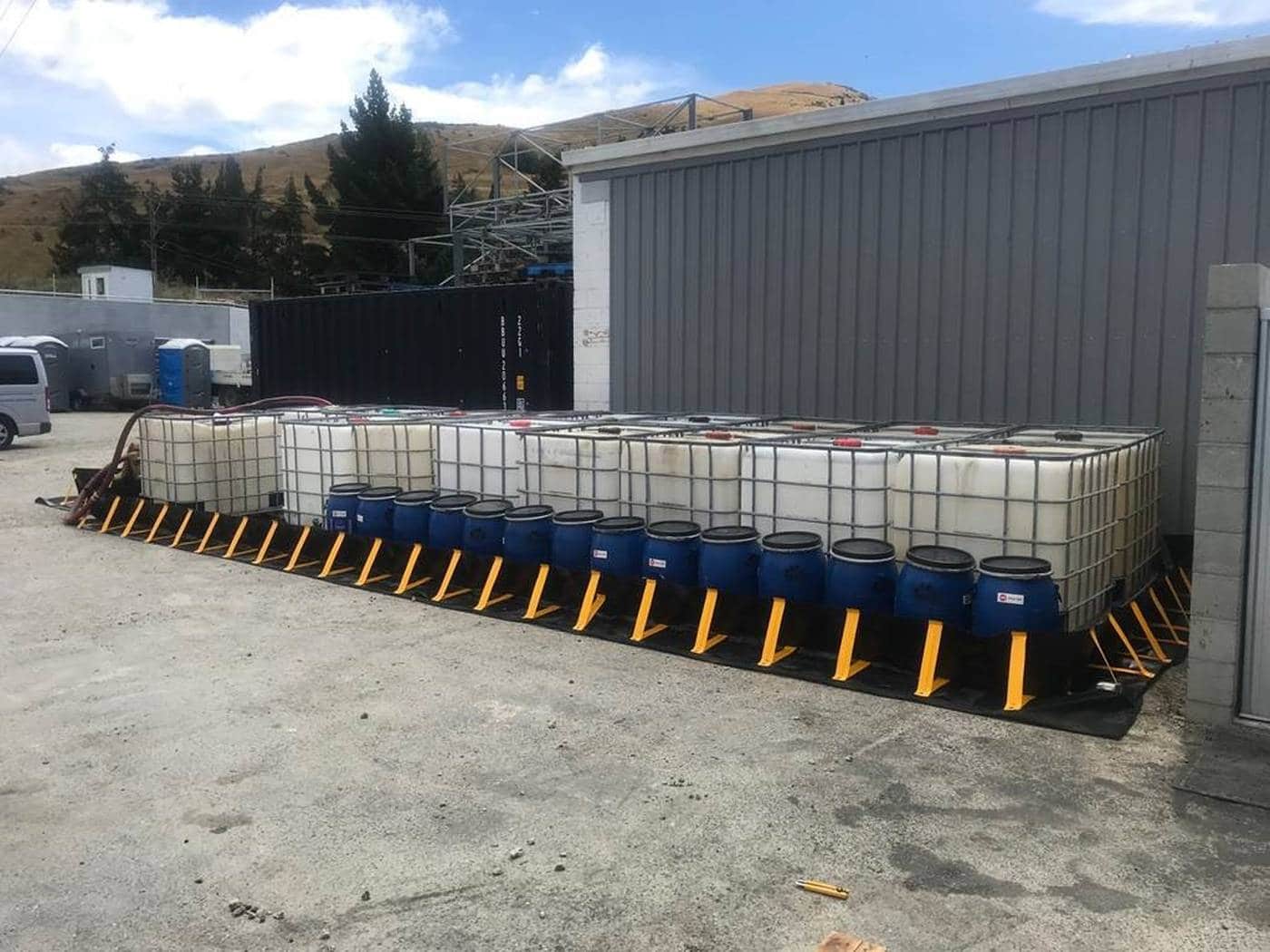
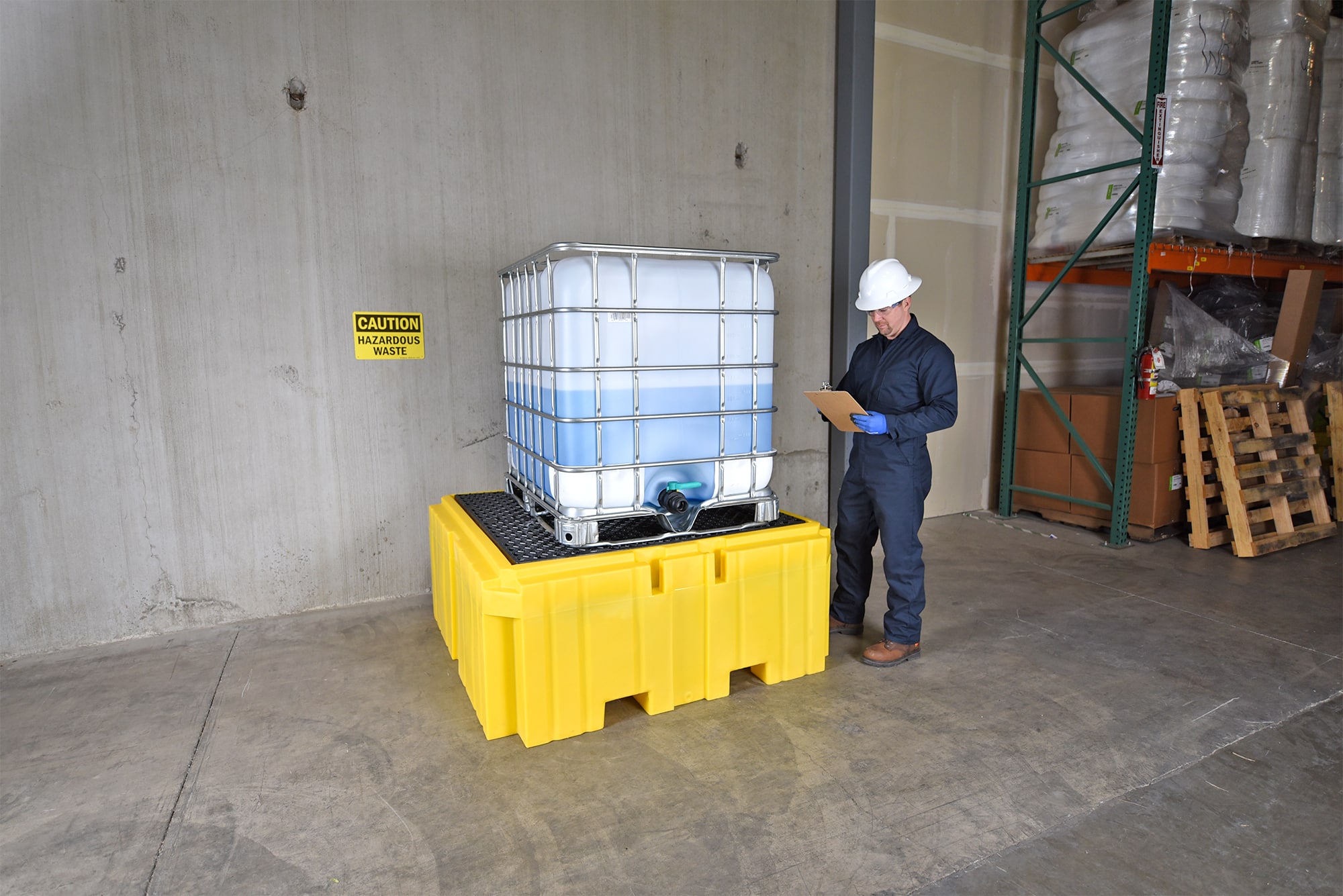
Spill containment on land is the practice of preventing liquid spills (like fuel, oil, chemicals, or hazardous substances) from spreading across soil, concrete or other ground surfaces. It involves using physical barriers and absorbent materials such as spill pallets, bunding, booms, drain covers and absorbent pads to:
- Keep spills within a controlled area
- Stop them from entering drains, soil, or waterways
- Make clean-up faster, safer and compliant with regulations
In simple terms, spill containment on land is about stopping a small spill from becoming a big environmental incident.
Why IS it important?
Spill containment on land matters because it helps you:
- Protect the environment
Effective bunding, pallets and barriers stop hazardous liquids from soaking into soil or running into stormwater, reducing the risk of contaminated groundwater, creeks and wetlands. - Protect people. Containing spills quickly reduces:
- Slip hazards
- Fumes and vapours
- Fire risk from flammable liquids
- Direct contact with harmful chemicals
- Protect your business. Poor containment can lead to:
- Fines and enforcement action
- Costly clean-up and remediation
- Insurance issues and claims
- Reputational harm with clients, regulators and the community
- Meet legal and industry expectations
Safework Australia and local EPA regulations require secondary containment for oil and hazardous liquids (e.g. bunded storage, spill pallets, containment decks) and expect sites to have spill control measures in place. - Build a better safety culture
Visible, well-maintained spill containment shows your people, customers and auditors that you take environmental and safety risk seriously.
Without proper spill containment on land, even a slow leak can lead to long-term soil contamination, impacts on waterways and expensive clean-up obligations.
What to do next
- Start with a simple site walk-through. List where you store, handle and transfer liquids, and note where a spill could run or soak in.
- Identify your highest-risk areas. Focus first on fuel, oil and chemical storage, refuelling points and loading bays.
- Talk to a specialist spill containment supplier. Ask them to map your risks and propose risk-matched land-based containment options.