Chatoyer gets hands on for Business Clean Up Australia Day.
Tuesday 24 February 2026

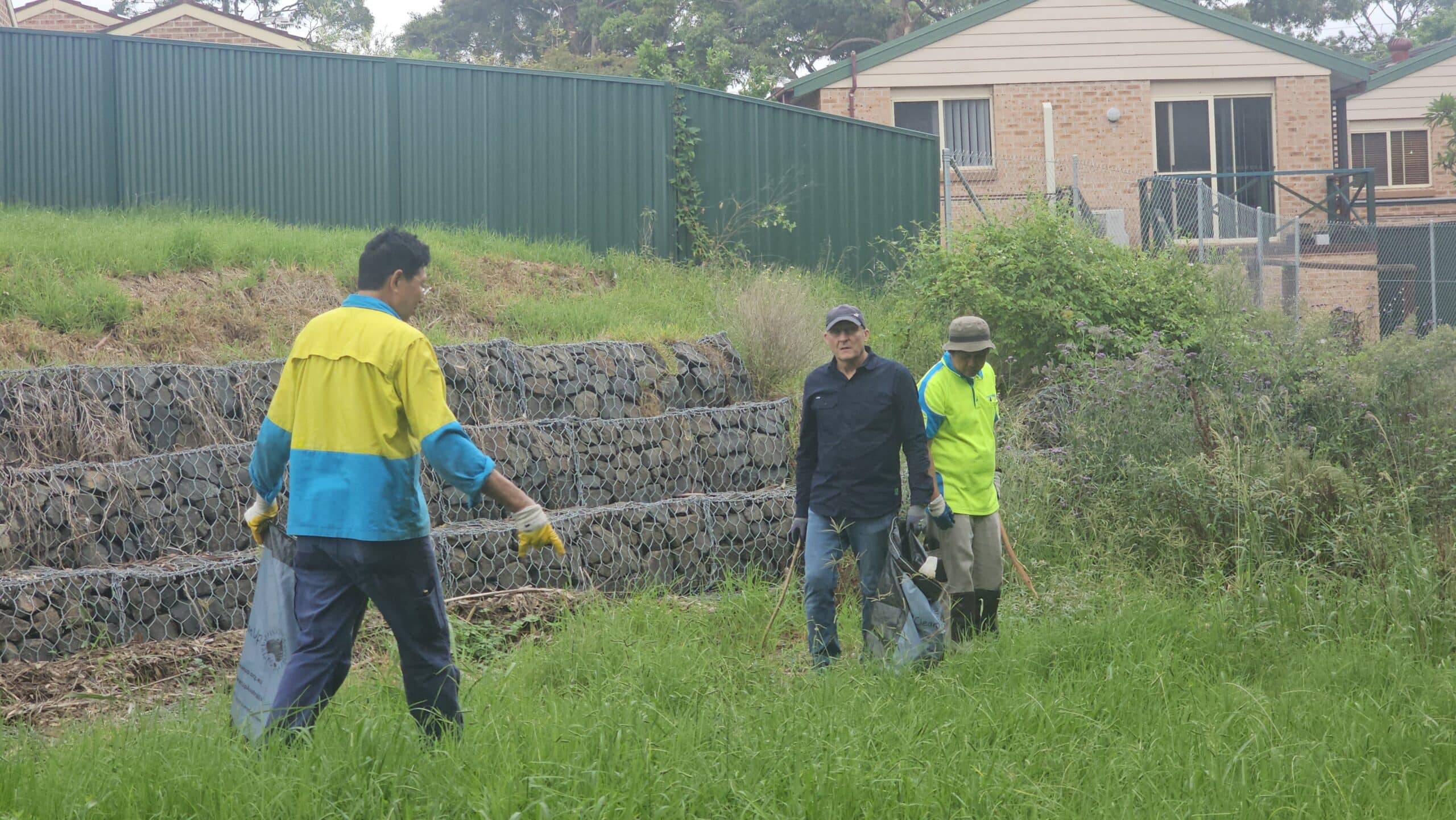
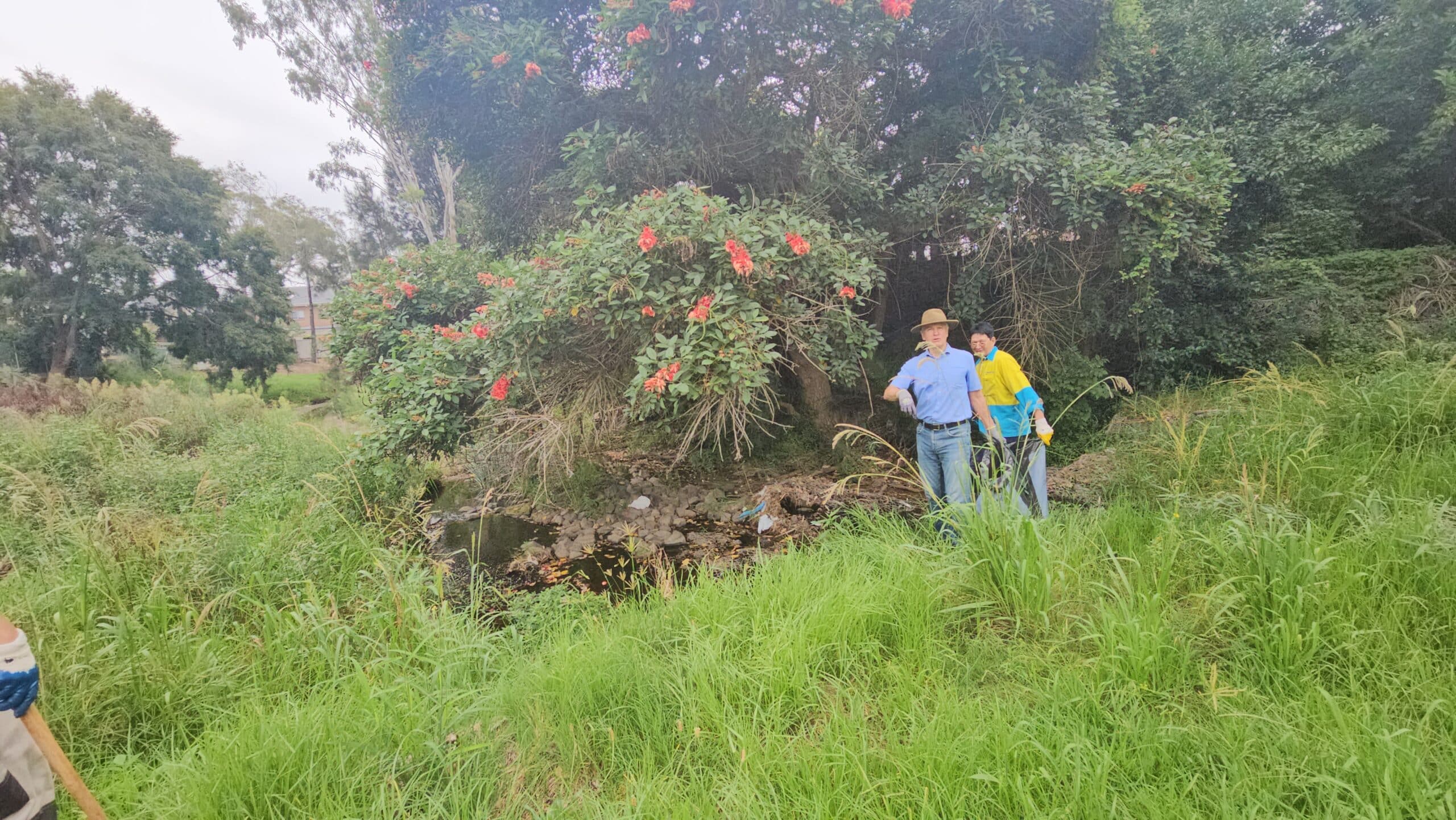
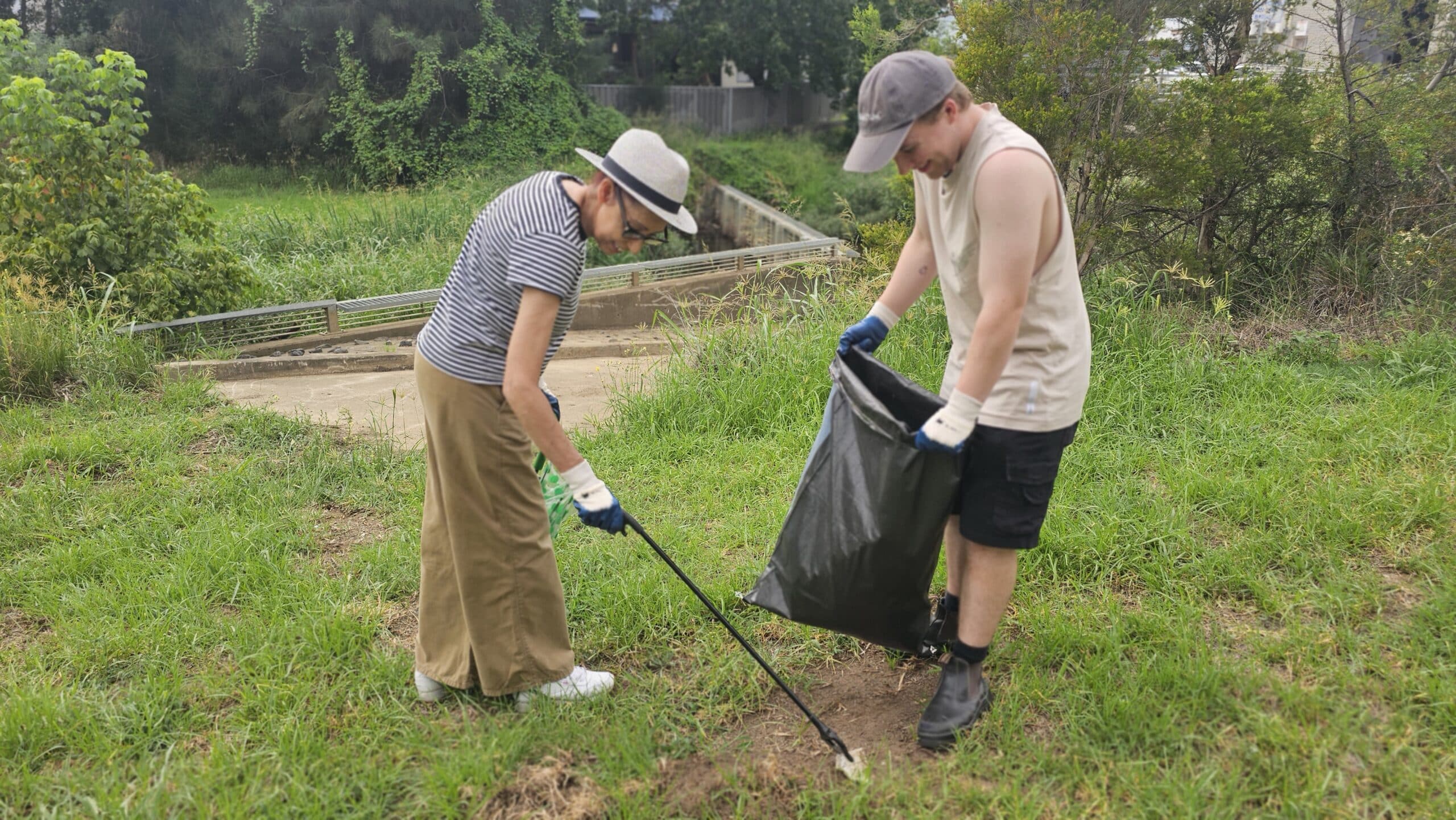
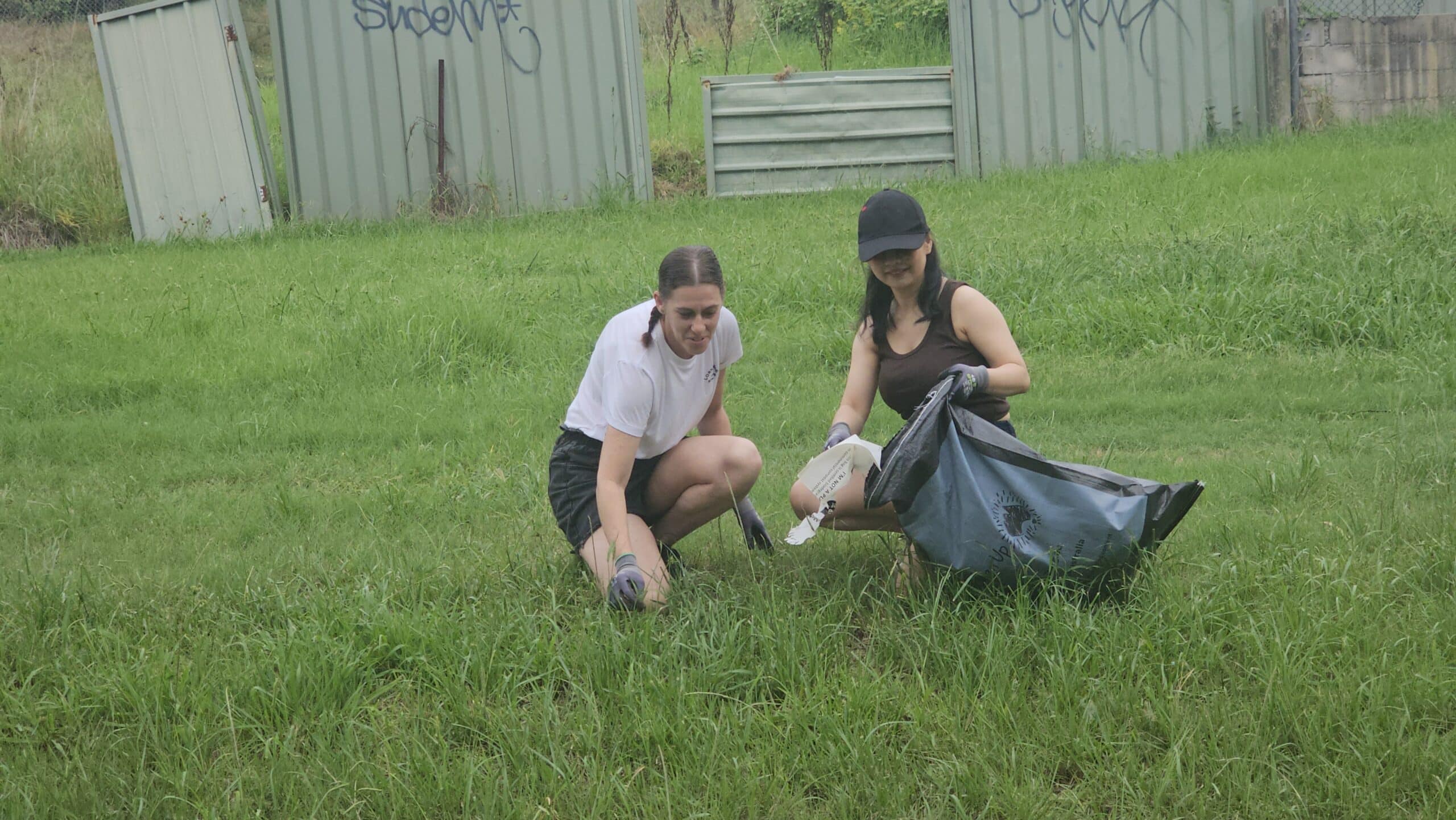
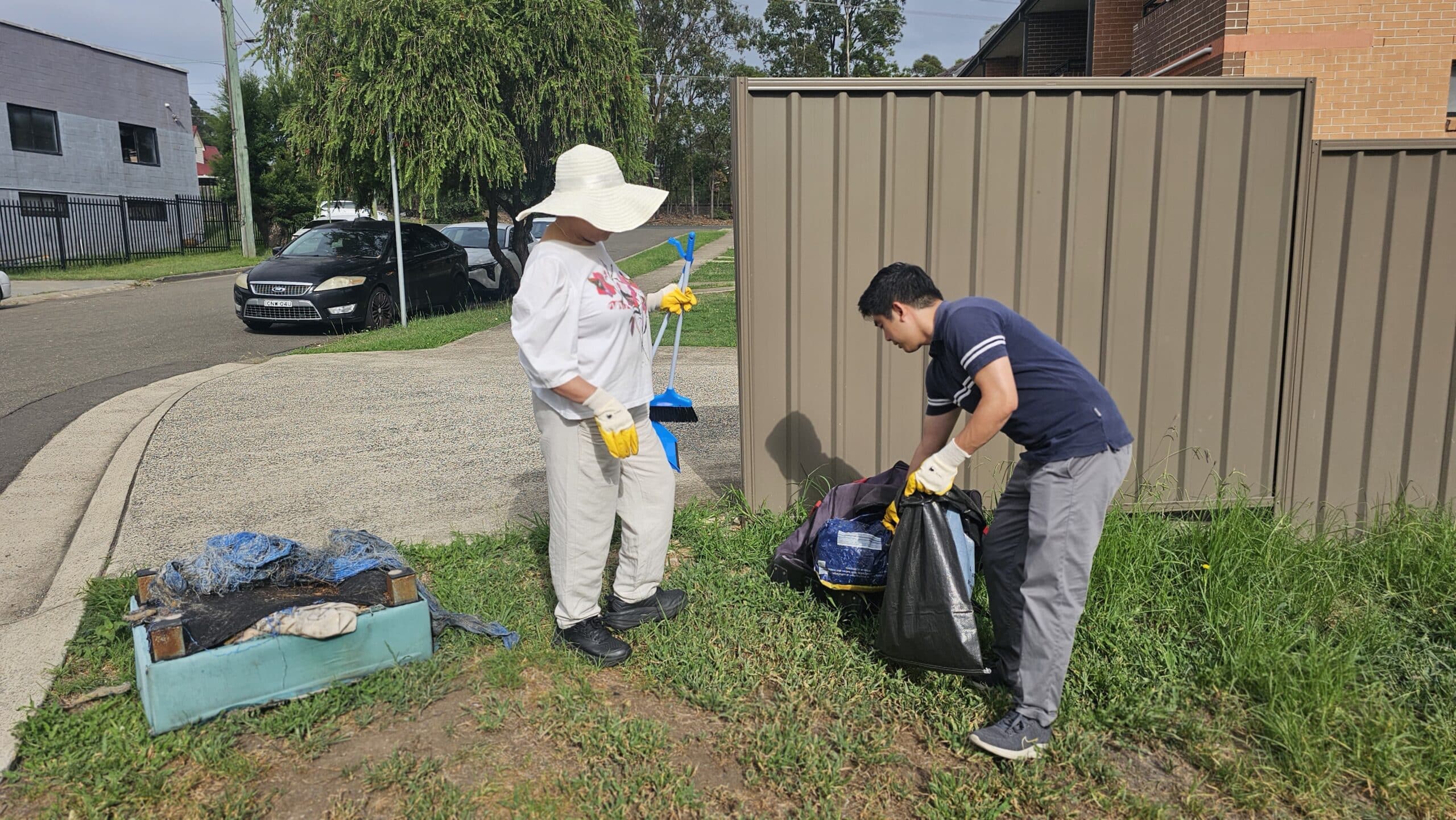
Last week, the Chatoyer team stepped away from desks and into the community for Business Clean Up Day, part of the Clean Up Australia movement.
Our route started right outside the Chatoyer office, collecting rubbish along the footpath all the way to Pendle Creek, the designated clean up site just five minutes away. It did not take long to see the story that everyday litter tells.
What we found in one short walk
By the end of the clean up, we filled 8 full bags with a mix of common, harmful items:
- plastic bottle caps
- crumpled bottles
- disposable food containers
- light bulbs
- plastic utensils
- discarded clothing
- golf balls and tennis balls
That total is only the bagged litter. It does not include illegal dumping of furniture, which was also present along the way and is a separate issue requiring proper reporting and collection processes.


Why this matters to Chatoyer
Chatoyer manufactures environmental products because protecting the environment is central to why we exist. Business Clean Up Day is a reminder that environmental outcomes are shaped by everyday actions, including how we dispose of waste and how quickly we stop litter from travelling.
How litter moves from streets to stormwater
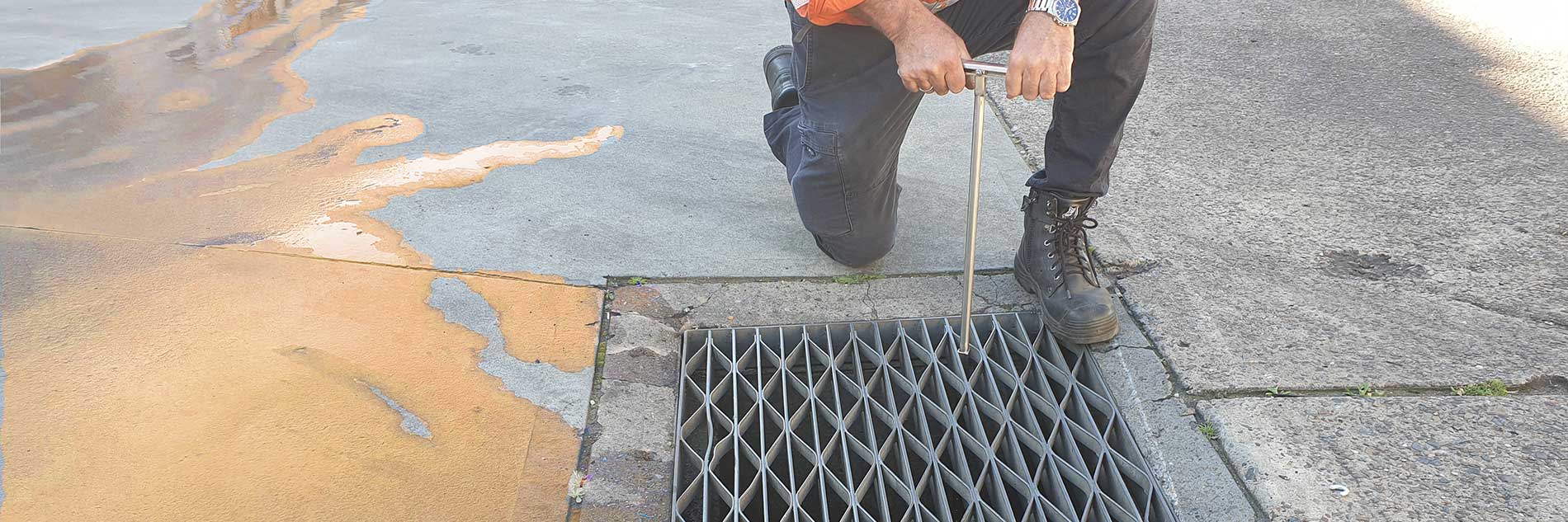
A lot of the rubbish we picked up is lightweight and easily pushed into gutters by wind, cars, or rain. From there it can enter stormwater drains, which typically discharge to creeks and rivers.
The NSW Government describes how litter can move through stormwater drains into waterways and even into the ocean, and notes that stormwater systems will not catch all litter. (NSW Government 2026)
Australian research and government reporting also recognises stormwater runoff as a major pathway for litter (including plastics) entering waterways, and highlights the need for improved monitoring and maintenance of stormwater assets to manage this problem. (DCCEEW and CSIRO 2026)
Are stormwater litter devices like GPTs enough
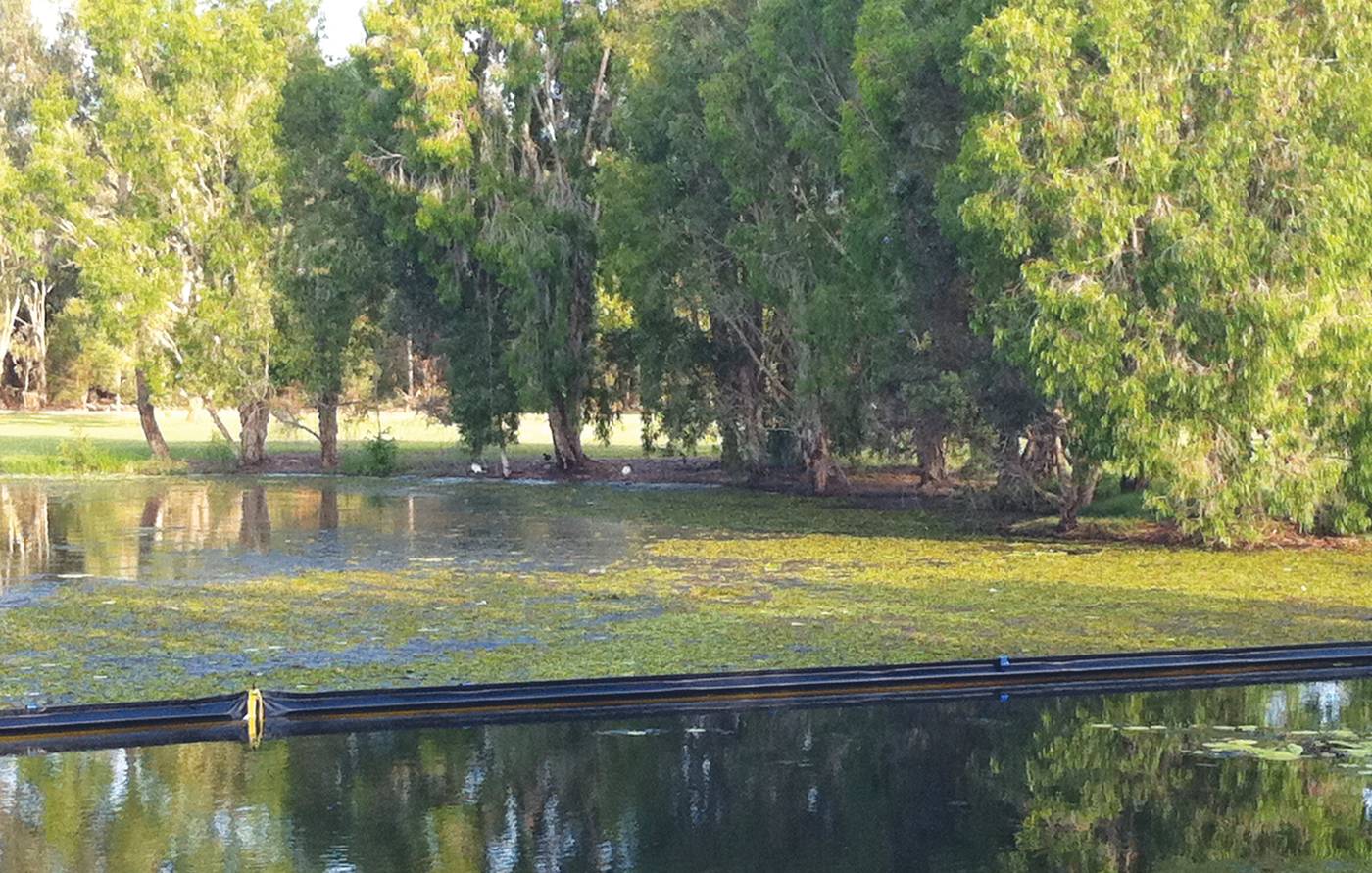
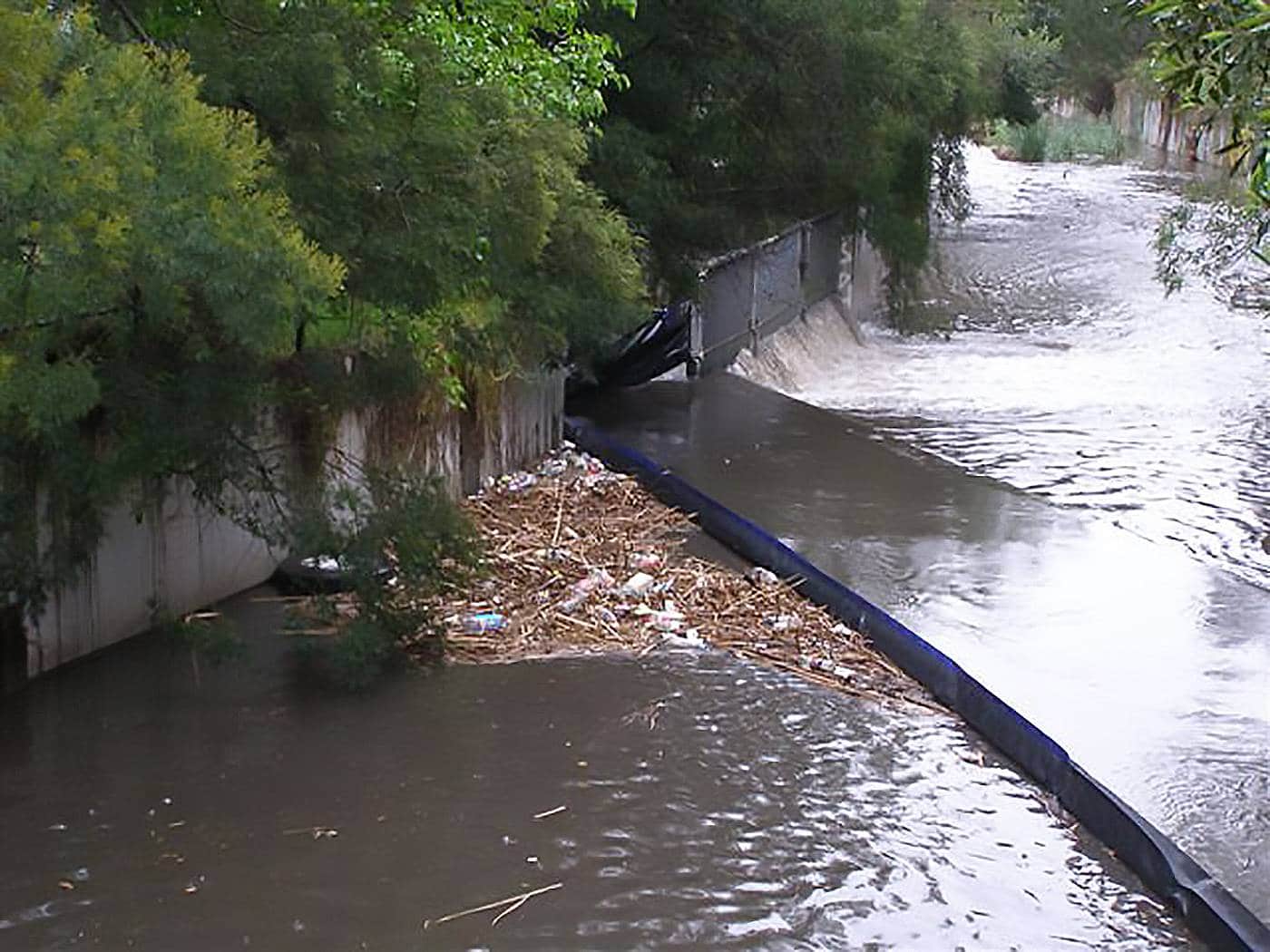
Devices such as gross pollutant traps (GPTs), litter baskets, and other capture systems are important because they can intercept floating debris before it reaches sensitive waterways. But they are not enough on their own. (DCCEEW and CSIRO 2026)
Two reasons:
- They rely on maintenance. If a device fills up, performance drops, especially during rain events. (DCCEEW and CSIRO 2026)
- They cannot replace prevention at the source. If litter keeps entering streets and gutters, it will keep escaping, because stormwater systems are built to move water quickly, not to manage rubbish. (NSW Government 2026)
The most effective approach is a mix of prevention (proper disposal), capture (where appropriate), and consistent maintenance and clean up.
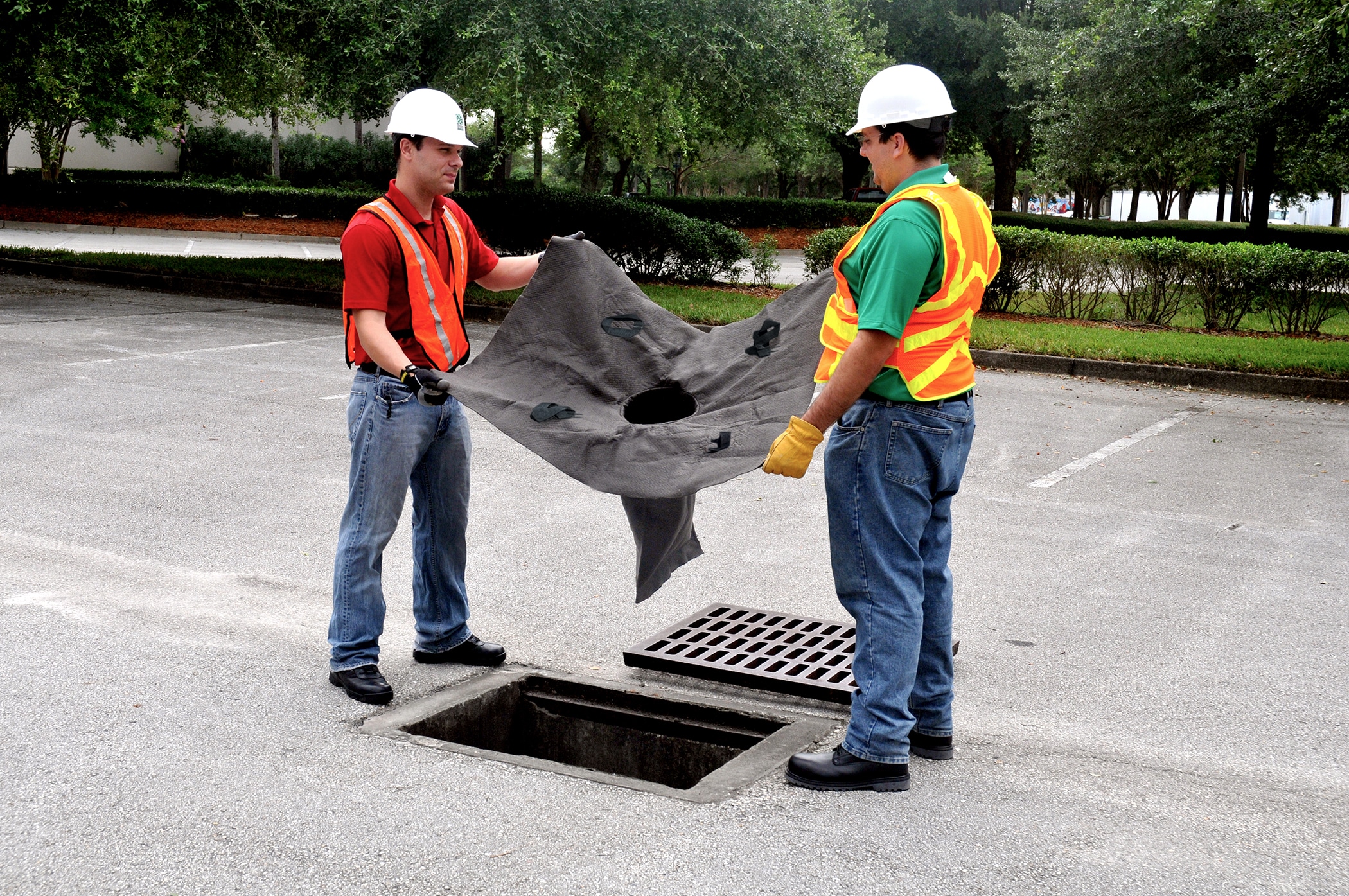
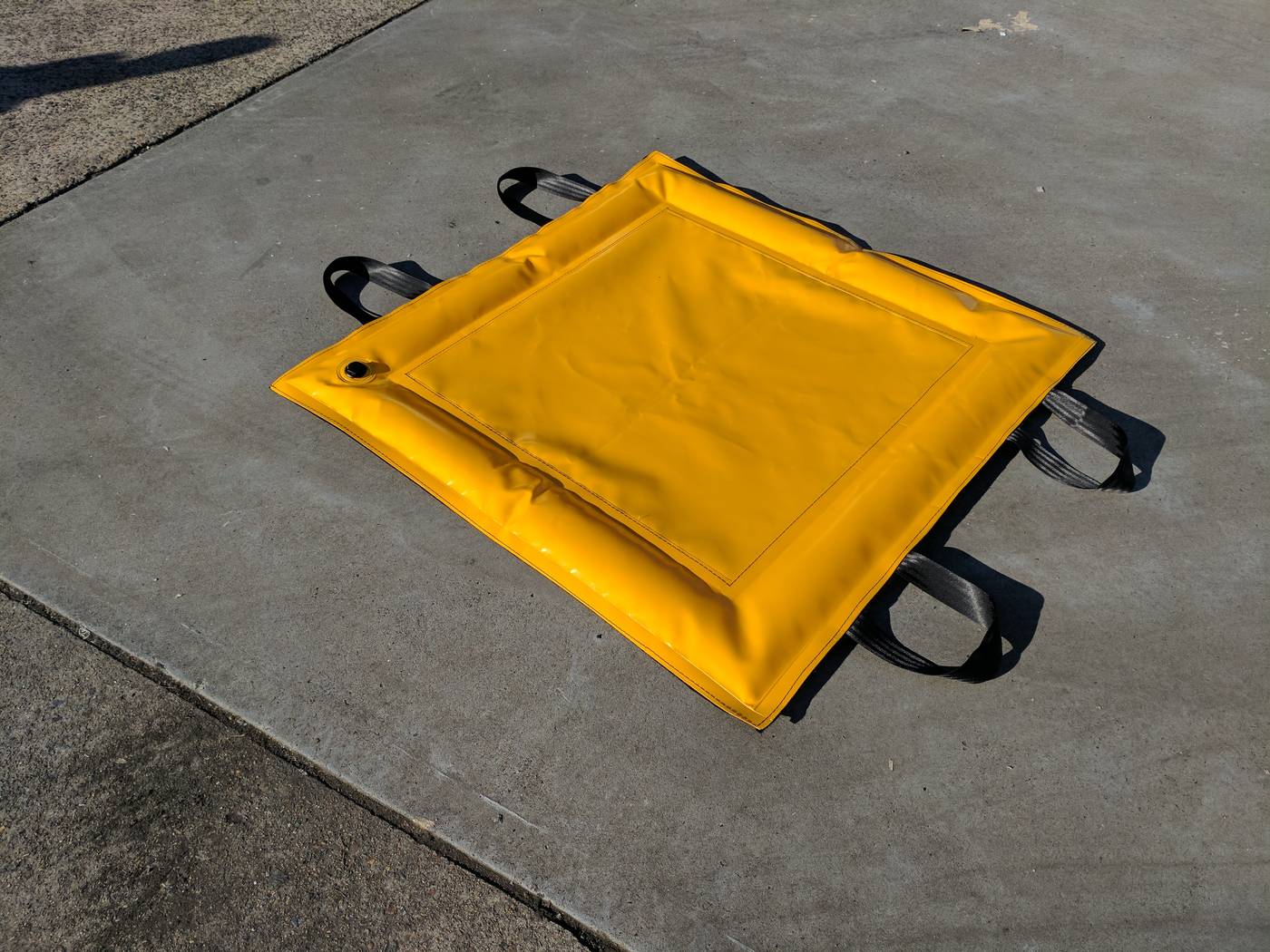
If you want to learn more about floating litter interception solutions, see our Stormwater Protection product range.
What happens when litter reaches waterways
When rubbish escapes into stormwater and waterways, the impacts stack up quickly:
- Wildlife harm: animals can ingest or become entangled in plastic and other debris, causing injury or death. (DCCEEW 2026a)
- Microplastics: plastics break down into smaller pieces that persist and spread through ecosystems. (DCCEEW 2026b)
- Water quality and amenity: litter reduces local water quality and the health and usability of natural spaces. (RMIT University 2024)
What you can do next
If you live or work near Pendle Creek (or any waterway), your best impact is simple and repeatable:
- put rubbish in a bin every time
- reduce single use where possible
- secure your waste so wind and rain cannot take it
- report illegal dumping so it can be removed safely and lawfully
Australia wide resources you can use right now
To make it easy to act no matter where you live in Australia, here are trusted national resources with practical guidance on waste disposal, litter prevention, and protecting waterways:
- Clean Up Australia (resources and toolkits):
- Clean Up Australia (education hub):
- Planet Ark, Recycling Near You (find drop off options near you)
- Keep Australia Beautiful (litter facts and behaviour change)
- Australian Government and CSIRO (stormwater litter pathway and monitoring project summary)
Eight bags in one short walk is a strong reminder that “away” is not a place. When litter escapes into stormwater, it becomes someone else’s problem downstream, until it becomes everyone’s problem. Yesterday, our team chose to stop it early, and we will keep doing our part.
FAQ
What is Business Clean Up Australia Day?
Business Clean Up Australia Day is part of the Clean Up Australia movement, encouraging workplaces to take practical action by removing litter from local areas and helping prevent pollution from reaching waterways. (Clean Up Australia 2026a; Clean Up Australia 2026b)
Where does litter go when it enters stormwater drains?
Litter can wash into gutters and stormwater drains and be carried into creeks, rivers, and the ocean. Stormwater systems are designed to move water quickly and will not catch all litter. (NSW Government 2026)
Are GPTs enough to stop litter reaching waterways?
GPTs and similar litter devices help intercept floating debris, but they are not enough on their own. They rely on maintenance and cannot replace prevention at the source, such as proper disposal and securing waste. (DCCEEW and CSIRO 2026; NSW Government 2026)
What should I do if I see illegal dumping?
Do not move hazardous items yourself. Record details if safe to do so and report it through your local council or relevant reporting pathway so it can be removed safely and lawfully.
Where can I find recycling and disposal options near me
Planet Ark’s Recycling Near You helps you find drop off locations and disposal options based on your location and item type. (Planet Ark 2026)
REFERENCES
Clean Up Australia 2026a, What’s On: Business Clean Up Day, Clean Up Australia, viewed 25 February 2026, https://www.cleanup.org.au/whats-on/.
Clean Up Australia 2026b, Business FAQs, Clean Up Australia, viewed 25 February 2026, https://www.cleanup.org.au/business-clean-up-faqs/.
Clean Up Australia 2026c, Resources, Clean Up Australia, viewed 25 February 2026, https://www.cleanup.org.au/resources/.
Clean Up Australia 2026d, Education Hub, Clean Up Australia, viewed 25 February 2026, https://www.cleanup.org.au/education-hub/.
Department of Climate Change, Energy, the Environment and Water and CSIRO 2026, Stormwater monitoring technology pilot project summary (Australia), Australian Government, viewed 25 February 2026, https://www.dcceew.gov.au/sites/default/files/documents/stormwater-monitoring-technology-pilot-project-summary-australia.pdf.
Environment Protection Authority Victoria 2026, Stormwater, EPA Victoria, viewed 25 February 2026, https://www.epa.vic.gov.au/stormwater.
Keep Australia Beautiful 2026, Litter Facts, Keep Australia Beautiful, viewed 25 February 2026, https://kab.org.au/litter-facts/.
NSW Government 2026, Where rubbish and litter travel, NSW Government, viewed 25 February 2026, https://www.nsw.gov.au/environment-land-and-water/environmental-protection-waste-and-recycling/nature-hates-a-tosser/where-rubbish-goes.
Planet Ark 2026, Recycling Near You, Planet Ark, viewed 25 February 2026, https://recyclingnearyou.com.au/.
Australian Government Department of Climate Change, Energy, the Environment and Water 2026a, Impacts of plastic debris on Australian marine wildlife, Australian Government, viewed 25 February 2026, https://www.dcceew.gov.au/environment/marine/marine-pollution/marine-debris/impacts-plastic-debris-australian-marine-wildlife.
Australian Government Department of Climate Change, Energy, the Environment and Water 2026b, Plastics in our oceans and waterways, Australian Government, viewed 25 February 2026, https://www.dcceew.gov.au/environment/protection/waste/plastics-and-packaging/national-plastics-plan/plastics-oceans-waterways.
RMIT University 2024, Understanding the impact of litter, including microplastics, on the health of waterways (factsheet), RMIT University, viewed 25 February 2026, https://www.rmit.edu.au/content/dam/rmit/rmit-images/college-of-seh-images/research/aquest/hws-2024-mid-term-review-factsheet-litter.pdf.