What is a silt curtain (turbidity boom) and how does it work?
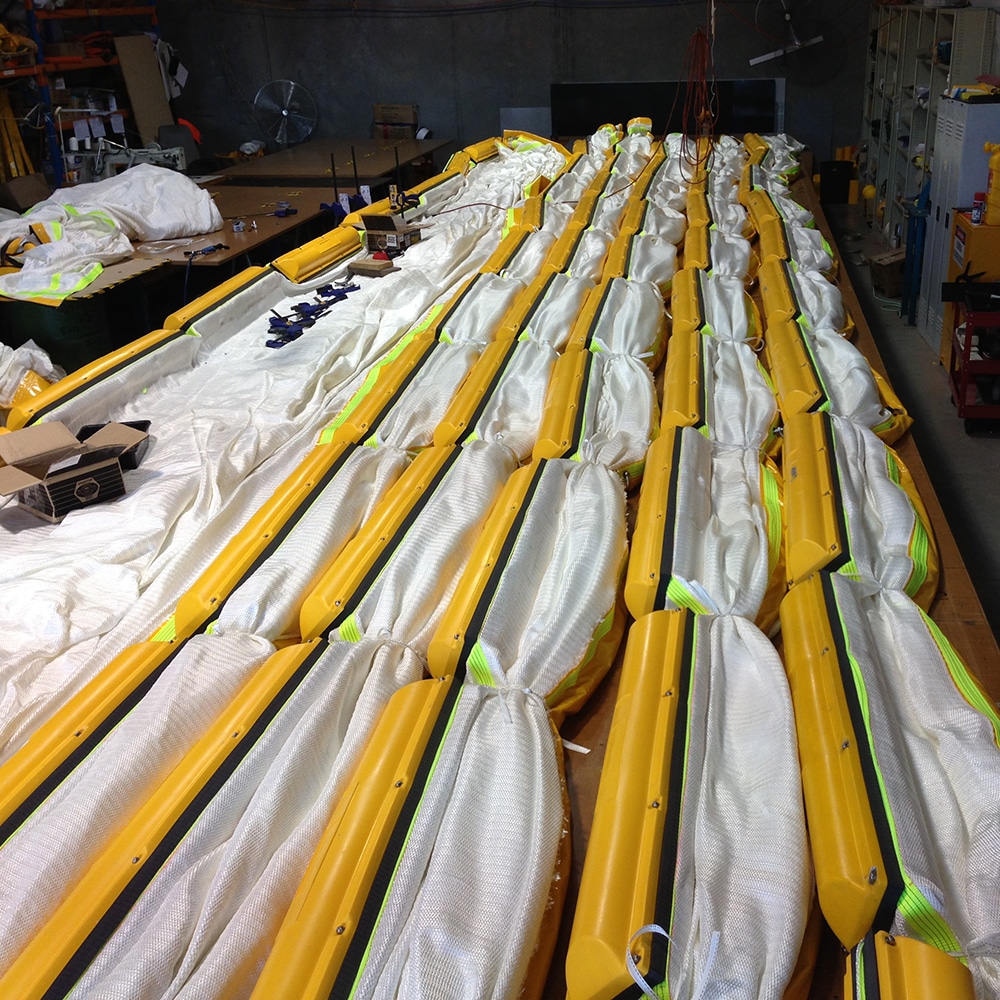
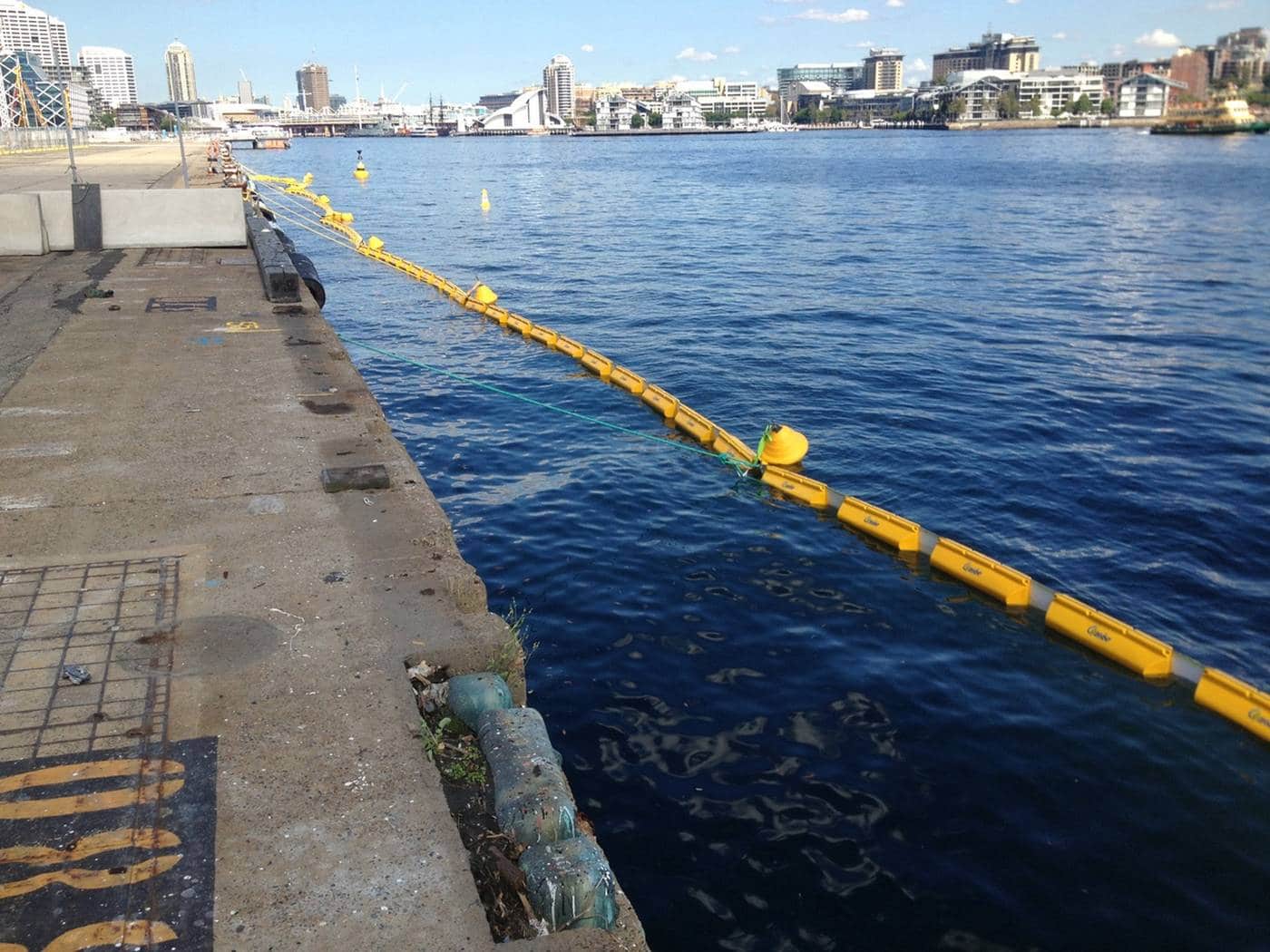
A silt curtain, also called a turbidity curtain, turbidity boom or silt barrier, is a floating barrier with buoyancy along the top, a flexible skirt that hangs down in the water column, and ballast along the bottom edge.
The curtain:
- Floats at the surface using a buoyant top line
- Hangs a fabric skirt down into the water to intercept moving sediment
- Uses a weighted bottom and anchoring to keep it vertical and stable
During construction or dredging, disturbed sediment is trapped inside the enclosed area long enough for particles to settle to the bed, instead of drifting away and increasing turbidity downstream.

What’s the difference between a silt curtain and other types of turbidity booms?
“Silt curtain” is often used interchangeably with “turbidity curtain” or “turbidity boom”, but not all floating booms are designed for sediment:
- Silt/turbidity curtains – fabric skirts specifically designed to contain fine suspended sediment.
- Oil booms – use skirts and sorbent materials to contain oil slicks on the surface, not heavy silts.
- Log booms or debris booms – mainly intercept floating debris, with limited or no skirt depth.
The key difference is that a silt curtain’s skirt and ballast are engineered for sediment control, not just surface containment.
What are silt curtains most commonly used for?
Typical applications include:
- Dredging and reclamation – to contain plumes during excavation and placement
- Piling and marine construction – around pile driving, cofferdams, jetties, bridges and piers
- Shoreline and civil works – revetments, seawalls, culverts, boat ramps
- Infrastructure and utilities – pipeline trenching, intake/outfall works
- Harbour and marina works – maintenance, pontoon installs, berth upgrades
- Runoff control – at the interface where silt-laden runoff enters still water
Anywhere you disturb bed sediments or work in/near water, a silt curtain is a key turbidity control tool.
What materials are silt curtains made from?
Most commercial silt curtains use:
- Synthetic, low-permeability skirts – typically PVC, PU-coated fabrics or reinforced geotextiles
- Foam or plastic floatation in a continuous top tube or segmented floats
- Chain or ballast line in the hem to hold the skirt down
- Reinforced load points – webbing, grommets, tension cables and connectors between sections
For harsher sites (coastal, tidal, high-flow), manufacturers offer heavier fabrics, deeper skirts and stronger reinforcement.
What factors determine the right silt curtain for a project?
Manufacturers commonly classify turbidity curtains by Type or Class, largely based on water conditions: calm, moderate or high-energy.
Key factors include:
- Water conditions – calm ponds vs rivers with current or exposed coastal/tidal zones
- Depth – required skirt depth vs total water depth (and clearance from bed)
- Flow velocity – high currents can overload or overtop curtains
- Wave and boat traffic – marinas vs sheltered canals vs open bays
- Regulatory or spec class – some DOTs or agencies call up specific curtain Types (Type 1, 2 or 3)
- Deployment duration – short-term works vs long projects require different durability
- Access and handling – constraints on vessels, anchors and handling equipment
Choosing the right Type/class, skirt depth and construction is critical for both performance and compliance.
Final considerations when selecting a silt curtain
Silt curtains play a critical role in protecting waterways during marine and shoreline construction. When correctly selected and installed, they help control sediment movement, reduce turbidity and support compliance with environmental approvals and project specifications.
Choosing the right curtain involves more than just picking a standard product. Water conditions, skirt depth, current velocity and project duration all influence performance. Working with a supplier that understands these site variables ensures the curtain is properly specified, installed and maintained throughout the project.
If you are planning dredging, marine construction or shoreline works, it is worth reviewing your turbidity control strategy early in the project. Speak with our team to discuss site conditions, curtain types and deployment options so you can select a silt curtain system that performs reliably and meets regulatory expectations.